Open it the wrong way and you spoil the moment, brands know this! Whether you’re handling a box, a wrapper or a bag, each item your customers interact with contains a tale of who you are before your customers even read your product label. According to Ipsos research, today’s shoppers consider packaging one of the most important factors when they decide to purchase a product again, while 72% of consumers say packaging design has a direct impact on their buying decisions. If you are operating in any business, whether it be skin care products, bakery or even technology, it is very vital for you to understand various types of packaging methods that are available to you.
Everything from materials to unboxing psychology is covered in this guide, so that you will be able to make informed packaging decisions right off the bat.
Numbers back this up. Nielsen research reveals types of packaging drives approximately 63% of purchases in store, while almost half of consumers say they have changed brands due to the packaging being more appealing. Smart companies now consider their types of product packaging as a marketing channel, rather than merely a shipping requirement, since each unboxed package is a mini billboard on social media.
Packaging can also create brand trust. When box deliver in good condition, tightly sealed and well-marked, the customer thinks that the contents inside are as well. That psychological shortcut quality packaging equals quality product can impact the perception of a brand for years.
Good packaging doesn’t just happen. Consistent design that uses color psychology, material choice and functional layout is a way that designers consistently make boxes convert browsers into buyers. These are the things to consider when planning your next packaging redo:
Simple is better than complex. Busy designs will baffle shoppers and simple designs with one really good point of interest will get the attention of shoppers immediately.
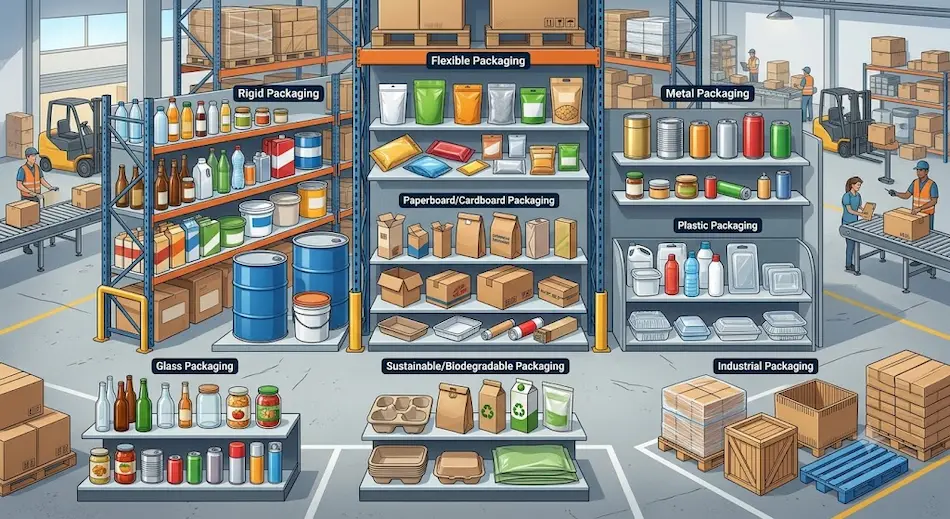
Types of packaging needs vary from product to product and the right packaging style for the right product is the key to cost, protection and shelf appeal. Here is a brief overview of some of the most popular ones that brands are using today:
| Types Of Packaging | Best For | Key Benefit |
|---|---|---|
| Corrugated boxes | Shipping & e-commerce | Excellent durability and stacking strength |
| Rigid boxes | Luxury goods & electronics | Premium unboxing feel |
| Paperboard cartons | Cosmetics & food items | Lightweight and highly printable |
| Poly mailers | Apparel & soft goods | Cost-effective and water-resistant |
| Glass or tin containers | Candles & gourmet food | Reusable and eco-friendly |
Each category has its pros and cons. E-commerce brands tend to be more likely to turn to corrugated boxes as they are more durable for shipping and delivery, as well as handling by rough hands. Beauty products tend to opt for paperboard containers owing to their high printing impact. With respect to packaging materials, you have to make You can’t just put a good logo on your product and expect it to stand out on a crowded shelf, either real or virtual. When brands capture customer attention, they are typically both innovative and visually creative a choice between these two types of packaging without losing on your margins.
There’s nothing more satisfying than a pleasant unboxing experience. Today, customers are capturing and posting these moments routinely videos about unboxing, unraveling ordinary packages into complimentary marketing material that results in billions of views on YouTube annually.
What matters is the little things. A creased tissue paper, thank you note or a subtle smell in the box can make a standard delivery a memorable experience. Brands can be the next one-time buyer if businesses such as Vexa Packaging have a chance to develop custom made packaging that incorporates these little details into each shipment.
Neither will placing a great logo on your product get you noticed in a crowded market environment, whether physical or digital. When brands do grab their customers’ attention, they usually do so through innovation and creativity.
Try something different with the shape or texture. Matte finishes or unique shapes of boxes are what can distinguish your product among dozens of other similar products. Now more than ever, differentiation is crucial as 67% of global consumers are concerned about the possibility of recycling and reusing their brand packaging as reported by McKinsey. Brands focusing on offering their clients various packaging solutions like biodegradable mailers and soy inks respond to the trend.
One of the other effective strategies that has been used in the past is running limited edition packaging. Seasonal designs or collaboration boxes can create a sense of urgency and make customers feel the need to buy again even if the product remains the same.
The process of developing a packaging strategy need not involve any great expenditure or expertise in design, but it must be done with a proper plan in place. Decide which are the most important considerations: protection, storytelling or sustainability.
Then, compare your product packaging types to your budget and shipping quantities. Five orders per day is very different from five hundred orders per day and needs vary from one startup to another. Having a packaging supplier who is experienced also can save you from months of trial and error, as they are already familiar with which materials, methods of printing and box structures work best for certain industries.
Lastly, test before you invest. Run samples and collect customer feedback and monitor the impact of packaging on return rates, reviews and repeat purchases. Data will help you determine the packaging system that will make the most money for your return on investment.
Packaging has grown from being merely a protective barrier into one of the best branding tools for modern businesses. Knowing the various types of packaging, such as eco-friendly paper packaging to sturdy luxury boxes will provide you with the freedom to safeguard your products and convey your brand message on each shipment. Brands that are thinking about packaging will always outperform those that are thinking about packaging later in the day as consumer expectations continue to grow regarding sustainability, unboxing experience and design. From initial product launches to brand rejuvenation, Vexa Packaging is here to help make each box a lasting impression.
There are three types of packaging are Primary, secondary and tertiary packaging are commonly used in business and consist of different materials based on the product and the environment.
Packaging makes the first impression in a second. Boxes look like the product. A good box that is built properly will show quality and professionalism while poor boxes or broken boxes will make people doubt the product too.
The cost of materials depends on what is being recycled but many recyclables and paper-based materials are close to the price of traditional materials as demand and supply grow.
It doesn’t matter whether through branded inserts, thank you cards or interior printings. A small act means a lot and the effort creates that special moment that people will share socially.
Think about your types of product packaging fragility, shipping process, budget and brand identity first then run tests on a few sample options and then decide if you should go for a full production run.
Imagine that you just printed 500 pages of a 50-page training manual and are now manually picking up the sets at the copier. This is the reason collate printing was...
Pick up a bowl and sit down, for we are going on a colorful, chaotic and wonderful journey through the history of cereal mascots. These cartoon characters make the mundane...
Open it the wrong way and you spoil the moment, brands know this! Whether you’re handling a box, a wrapper or a bag, each item your customers interact with contains...