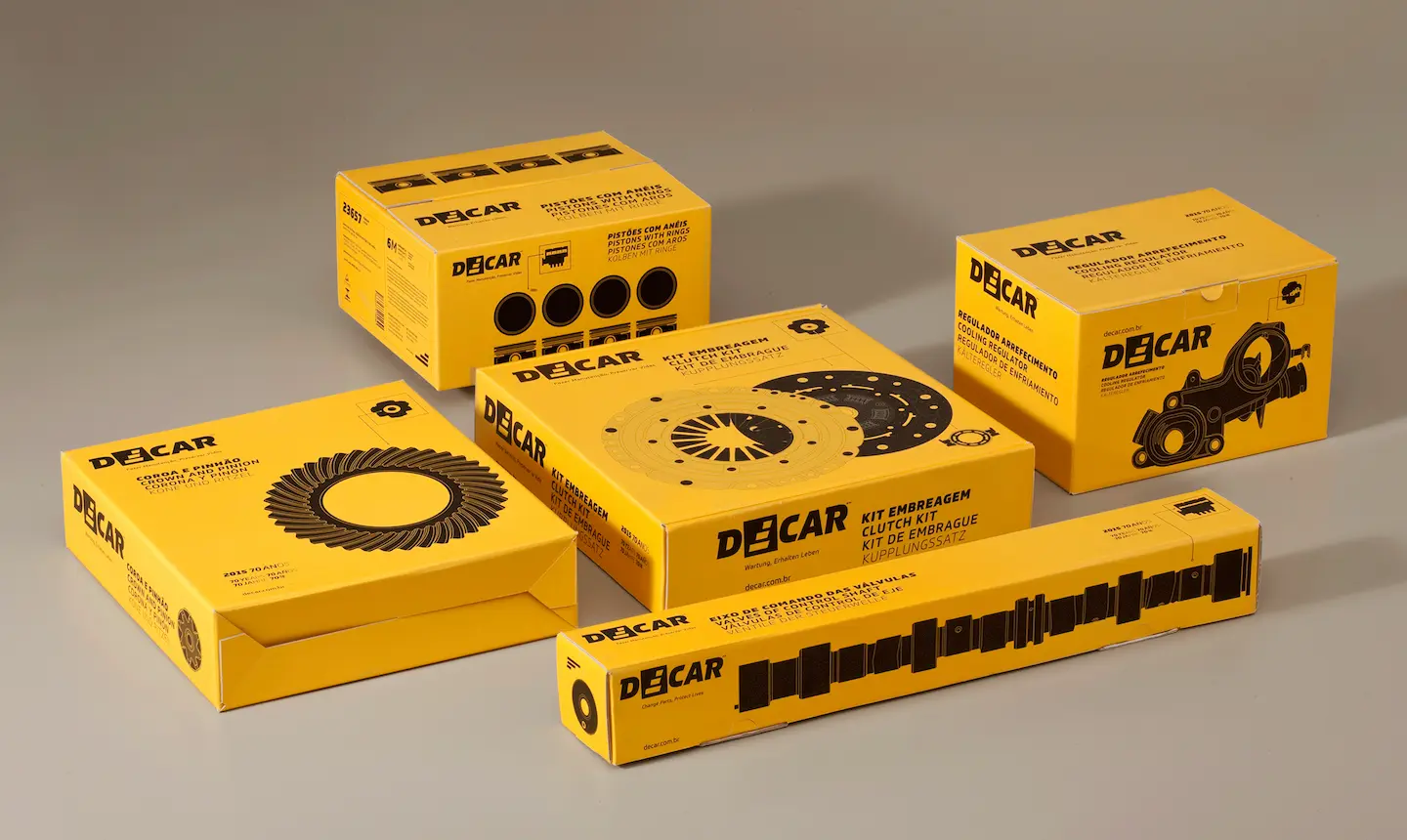
Automotive Packaging Explained
Automotive packaging refers to boxes, crates and other protective materials used to safely transport vehicle parts, accessories and components. There are different sizes of these packages, ranging from smaller hardware boxes to crates for heavier hardware with each package being suitable for a particular piece depending on its size and weight. Suitable packing will ensure there is no damage to the pieces in terms of vibration, corrosion and any other problem during transportation.
Why the Industry Needs Specialized Boxes
From small fasteners and components to entire vehicle assemblies, thousands of items are produced and they travel through intricate and complex global supply chains. Packaging plays a key role in the automotive industry with more than 40% of the sector’s packaging usage globally being related to automotive (Source: Nefab, 2016 ). Automotive boxes for the industry must withstand the rigors of use, temperature fluctuations as well as long-distance transport.
What Materials Work Best for Automotive Packaging Boxes?
The selection of material depends on the part’s survival. Corrugated board provides the strength necessary for heavy or sharp-edged auto components and is resistant to stacking and rough handling in transport. Kraft stock is suitable for lighter jewelery and favored by brands that are eco-friendly. Fewer components are at risk of damage when using rigid stock, especially with high-value items such as electronics, sensors or finished trim.
How Does Automotive Packaging Design Improve Brand Perception?
Automotive packaging design is more protective than it conveys quality before the box is even opened. Clearly labeled parts, part numbers visible from the outside and a branded finish give the customer confidence in what is inside before he or she opens the box, especially in the retail or dealership environment. Another advantage of such a box is that it will speed up the process of sorting in the warehouse and reduce errors because employees will know what is inside the box without opening it.
How Do Automotive Packaging Solutions Protect Parts During Shipping?
Automotive packaging solutions have custom inserts, foam padding and moisture barriers that help prevent movement of parts inside the box while in transit. The small parts, such as spark plugs and sensors are securely fixed in die-cut trays, free from scratches and minute damage caused by loose parts. Reinforced corners and double-wall corrugated stock will absorb impact and maintain the box’s basic strength even with stacked loads for heavier parts such as headlights and bearings.
Which Automotive Products Need Custom Boxes?
There are a variety of parts that require specialized packaging, such as air filters, wiper blades, spark plugs and headlights all of which must fit into a specific box shape as there is too much space inside for them to move around in. A branded, protective box is just as much required for aftermarket accessories and OEM replacement parts, particularly when sent directly to the end customer. Each product category receives a size and material match for each based on weight and fragility and no product ships in a box that’s too big or too small or doesn’t have enough protection!
How Much Does Automotive Packaging Cost at Wholesale Rates?
The price of the board is the primary factor in pricing along with the complexity of the insert and order quantity. The colors you use are also significant because they will be much more expensive if you put foam inserts, foiling or a die-cut window in them, as opposed to just a single color. Bulk runs offer the lowest per-box pricing for most automotive brands and orders of over 500 units usually get the best pricing per box.
Why Choose Our Boxes
Most suppliers will give you material listings and miss real numbers on turnaround, durability testing, drop protection, etc. leaving you to rely on guesswork when it comes time to test your automotive packaging. Before ordering, you can count on us to provide you with accurate production schedules and material specifications, no surprises. Each box comes with a complimentary design proof, which means you have the opportunity to approve the design and fit before production even begins!